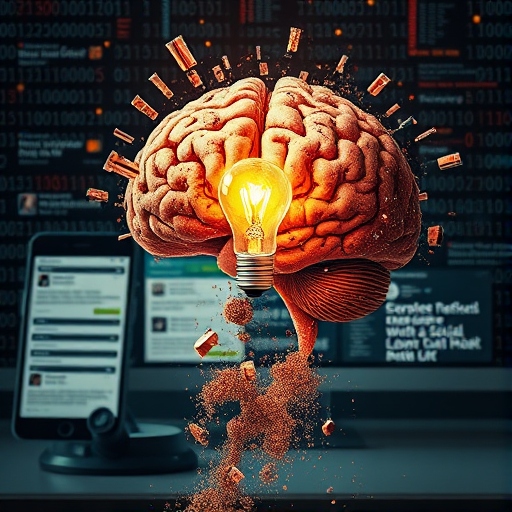
The alarm bells around artificial intelligence are deafening. From job displacement to AI-fueled misinformation, society is transfixed by the potential dangers of these emerging technologies. Yet, while we hyper-focus on AI’s risks, an even greater threat looms unnoticed: the death of critical thinking.
Critical thinking—we, humans, can think, reason, and solve problems with clarity and sound judgment—is going out of our heads. Ironically, the decline in critical thinking does not originate from AI but from our way of living with a constantly increasing digital speed and our obsession with convenience. And if this deterioration persists, it will fail us as we face the challenges of AI and every other crisis that threatens our humanity.
The Slow Decay of Critical Thinking
-
The Instant Gratification Era

In the age of Google, we no longer need to remember facts or think deeply to solve problems. Need an answer? A quick search provides it in seconds. While this accessibility is convenient, it has trained our brains to prioritize speed over depth. Critical thinking—a slow, deliberate process—feels outdated in a world obsessed with immediate results.
-
Echo Chambers and Misinformation

Social media sites feed us information catering to our tastes and solidifying our beliefs. That is “confirmation bias on steroids,” which makes it harder for us to evaluate counter viewpoints. Critical thinking prospers when we are exposed to diverse viewpoints, but this has reduced our ability to question what we see, hear, or read.
-
Overload of Information

We are drowning in a sea of content: news, tweets, videos, and memes. There’s so much that it is impossible to scrutinize everything. We end up skimming headlines and making judgments based on superficial understanding. Deep analysis? Who has time for that?
Why the Decline of Critical Thinking is Dangerous
We easily become tools for manipulation if we lack critical thinking. Fake news spreads like wildfire because too few people question its validity. Algorithms—whether they recommend products, news articles, or political ideologies—actually shape our decisions without our realising it. When we don’t critically evaluate these influences, we surrender our autonomy.
Now add AI to the mix. Advanced AI systems can create believable fake videos (deepfakes), write persuasive propaganda, and simulate human conversations. Without critical thinking, how will we distinguish fact from fabrication? How will we challenge biases embedded in AI algorithms? Without the mental tools to question and analyze, society risks becoming passive consumers of whatever AI and its creators serve us.
The Road Ahead: Resurrecting Critical Thinking

The answer is not to stop developing AI but to ensure humans remain equipped to think critically in the face of rapid technological change. Here’s how:
- Education Reform Education systems must prioritize critical thinking over rote memorization. Teaching students to ask questions, evaluate evidence, and recognize biases is more important than ever. Courses on media literacy and ethical reasoning should be staples in every curriculum.
- Mindful Consumption of Information, We need to slow down. Before posting an article, verify the source. Before accepting a claim, dig deeper. Disciplined mindful information consumption strengthens one’s ability to think.
- Break out of echo chambers by seeking opposing views. Read authors you do not agree with. Follow people from various backgrounds. Exposure to diversity challenges one’s assumptions and sharpens their reasoning.
- Regulate AI’s Influence Transparency in AI algorithms is the need of the hour. If AI curates your news feed or makes recommendations, you should know how and why. Public awareness and policy frameworks can ensure AI systems don’t exacerbate critical thinking’s decline.
Conclusion
AI is not the enemy—our complacency is. The decline of critical thinking leaves us ill-equipped to face not only AI’s challenges but also the broader complexities of the modern world. We must resist the temptation of convenience and reclaim the art of questioning, reasoning, and understanding. Because long before AI surpasses us, our inability to think critically will prove to be our undoing.
About the Author