In 2025, sustainability is no longer an afterthought—it’s a requirement. As companies scale their digital presence, energy consumption from cloud operations continues to rise. Developers and DevOps teams now play a vital role in shaping a greener digital world by optimizing infrastructure and adopting eco-friendly practices. Sustainability in cloud computing isn’t just about reducing energy use; it’s about balancing performance, efficiency, and innovation. Through Green DevOps, organizations are minimizing resource waste, cutting carbon footprints, and achieving operational excellence—all while lowering costs. Let’s explore seven sustainable DevOps practices driving a greener cloud future and how developers can make a measurable difference in their workflows.
1. Optimize Cloud Resource Utilization
A fundamental principle of Green DevOps is efficient resource utilization. Overprovisioned virtual machines and idle cloud services contribute to unnecessary energy consumption and cost. Teams can optimize cloud resources by adopting auto-scaling policies, serverless architectures, and load balancing strategies that adjust to real-time demand. Monitoring tools like AWS CloudWatch and Azure Monitor help identify wasteful resources that can be downsized or terminated. By fine-tuning usage, developers ensure they only pay for what they use, while reducing energy waste. This balance between cost and performance is a critical step toward sustainable cloud management and helps businesses minimize their digital carbon footprint effectively.
2. Implement Continuous Optimization with Automation
Automation lies at the heart of sustainable DevOps. Instead of relying on manual processes that consume time and computing power, continuous optimization pipelines automate resource management, scaling, and deployment. For instance, tools like Terraform and Ansible enable infrastructure as code (IaC), allowing teams to manage configurations efficiently. Automated workflows reduce redundancy and power waste by ensuring that cloud resources operate only when needed. To deepen your understanding of automation and how it supports efficient DevOps ecosystems, explore Eduonix’s course on Mastering DevOps Automation — an excellent resource for developers aiming to align automation with sustainability goals.
3. Adopt Containerization for Lightweight Deployments
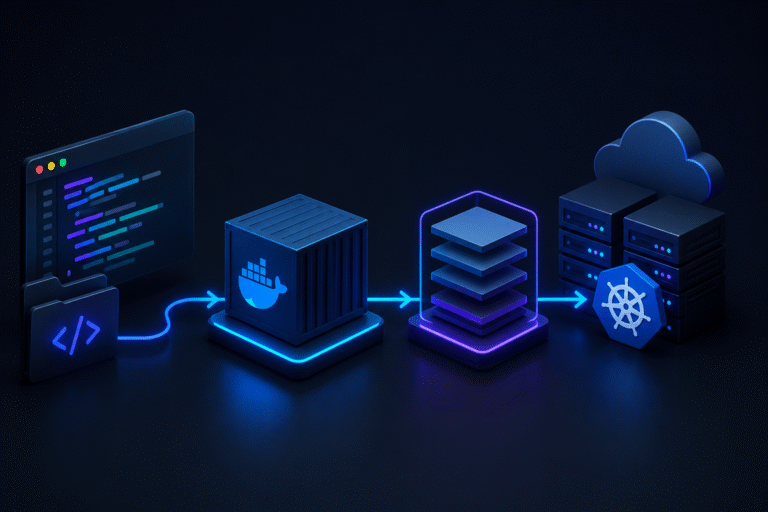
Containerization plays a major role in reducing computing overhead. Technologies like Docker and Kubernetes enable lightweight, isolated environments that maximize hardware utilization. Containers require fewer resources than full-scale virtual machines, allowing applications to run faster and consume less power. Moreover, container orchestration automates deployment and scaling, ensuring optimal energy use across clusters. By adopting containerization, developers not only streamline development pipelines but also support a more energy-efficient infrastructure. This approach ensures consistency, reduces cloud sprawl, and aligns perfectly with sustainability objectives — making it one of the most effective DevOps practices for a greener digital future.
4. Use Green Cloud Providers
Sustainability starts with choosing providers committed to renewable energy. Major cloud companies like Google Cloud, Microsoft Azure, and AWS are investing heavily in carbon-neutral data centers powered by renewable sources. Developers can take advantage of sustainability reports and energy dashboards offered by these providers to measure their impact. Selecting regions powered by renewable energy also contributes to greener deployment strategies. If you’re interested in learning how cloud optimization ties into sustainability, check out CodeCondo’s blog on Cloud Cost Optimization Strategies, which highlights methods to enhance efficiency while lowering environmental impact.
5. Integrate Sustainable Monitoring Practices
Monitoring plays an essential role in identifying inefficiencies within DevOps pipelines. Beyond tracking uptime and latency, modern monitoring should measure carbon usage, resource consumption, and energy performance. Tools like Cloud Carbon Footprint and Kepler provide visibility into how much energy your workloads consume. Developers can use this data to adjust configurations and eliminate waste. Sustainable monitoring encourages accountability by aligning technical performance metrics with environmental goals. In this way, every deployment, update, or scale operation contributes to a more sustainable infrastructure without compromising performance or business continuity.
6. Shift-Left on Sustainability
In DevOps, “shift-left” means addressing issues earlier in the development lifecycle. Applying this principle to sustainability ensures that energy-efficient choices are made from the start. Developers can include carbon impact assessments during the planning phase and optimize code for performance before deployment. Lightweight frameworks, efficient data structures, and optimized APIs all help reduce processing demands. To understand how early optimization improves cloud performance, you can explore Eduonix’s insightful blog on AI in Cloud Security — it demonstrates how proactive design enhances scalability, security, and sustainability in modern DevOps environments.
7. Promote a Culture of Green DevOps
Sustainability is as much a mindset as it is a technical practice. Promoting a Green DevOps culture means educating teams on energy efficiency, setting measurable goals, and celebrating environmental milestones. Regular reviews of carbon footprints, encouraging responsible coding habits, and aligning company policies with green standards help sustain long-term impact. When DevOps professionals take ownership of their environmental footprint, they influence an entire industry to follow suit. Collaboration between developers, operations teams, and management ensures every deployment aligns with both business and environmental objectives. Building awareness is the first step toward transforming cloud computing into a truly sustainable ecosystem.
Conclusion
The future of cloud computing lies in balancing innovation with environmental responsibility. As organizations transition toward sustainable digital ecosystems, DevOps professionals stand at the forefront of change. From resource optimization to automation and renewable-powered infrastructure, these seven Green DevOps practices empower developers to make a measurable difference. By embedding sustainability into daily workflows, we’re not just building efficient systems—we’re creating a resilient, eco-conscious future. In 2025 and beyond, Green DevOps isn’t just a movement; it’s a mindset driving the next generation of cloud transformation.
About the Author