As artificial intelligence becomes the backbone of modern innovation, AI observability has emerged as a critical field ensuring that intelligent systems make reliable, transparent, and accountable decisions. In 2025, organizations are no longer satisfied with “black-box” models—they want to understand how, why, and when AI makes specific predictions. This has led to a surge in demand for tools that monitor, trace, and interpret AI behavior in real time. Through AI observability, developers and data scientists can analyze every step of the decision-making pipeline, enabling smarter, safer, and more ethical applications across industries.
1. What Is AI Observability and Why It Matters
AI observability goes beyond traditional monitoring. While monitoring checks performance metrics like latency or accuracy, observability focuses on understanding the internal logic behind model predictions. It enables developers to detect biases, ensure model fairness, and debug faulty outputs faster. As machine learning models become embedded in critical systems—from healthcare diagnostics to finance and autonomous vehicles—transparency becomes essential. Without observability, AI risks making high-stakes mistakes that humans can’t easily trace or correct. This growing need for trustworthy systems has transformed observability into a core discipline of MLOps, driving adoption across enterprises.
2. From Metrics to Meaning: The New Layer of Model Insight
Modern AI observability integrates metrics like feature attribution, data drift, and prediction consistency. These insights offer a complete picture of model health beyond accuracy scores. For example, data drift detection ensures that AI continues performing well even when input data changes over time—a common issue in dynamic environments. Developers can combine observability data with explainability frameworks such as LIME or SHAP for deeper interpretability. If you’re looking to explore this concept further, the Eduonix Blog on Context Engineering explains how AI systems learn to adapt and make contextual decisions that enhance model accountability and reliability.
3. Key Components of an AI Observability Framework
An effective AI observability framework has several layers—data, model, and inference monitoring. Data observability tracks the quality and consistency of incoming data, identifying anomalies before they impact predictions. Model observability measures metrics like drift, accuracy, and bias over time. Finally, inference observability ensures predictions remain stable and reliable across environments. Combined, these layers form a feedback loop that supports continuous improvement. Organizations adopting this model-driven monitoring approach are not only preventing performance degradation but also aligning with regulatory standards for AI ethics and transparency.
4. Real-Time Monitoring: Closing the Feedback Loop
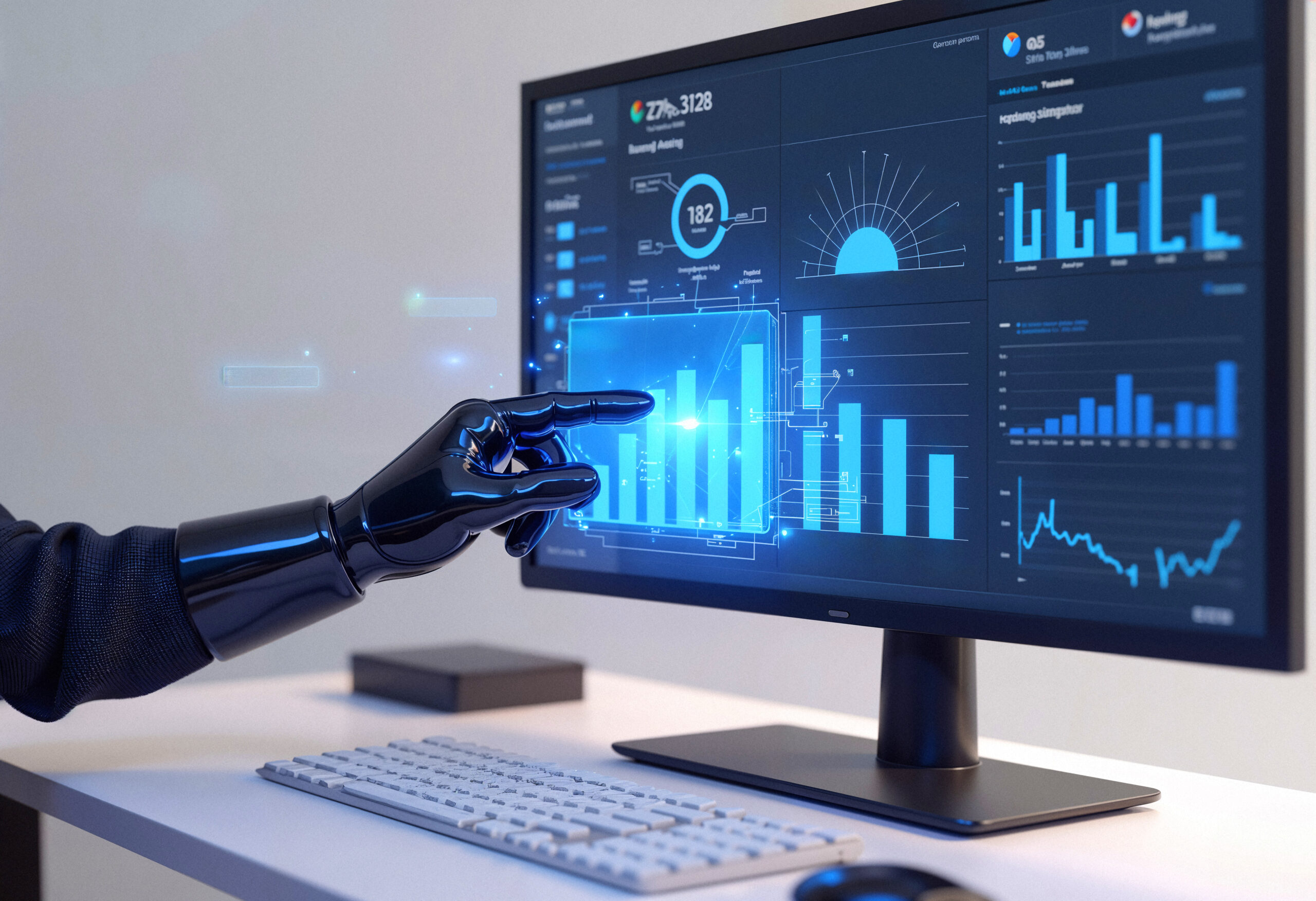
In traditional systems, monitoring happens post-deployment. But AI observability introduces real-time tracking, allowing teams to identify issues as they occur. This proactive approach uses live data streams to detect abnormal predictions instantly, enabling faster corrections. Real-time observability dashboards often integrate with MLOps pipelines and cloud-based tools to visualize performance fluctuations. The rise of platforms like TensorBoard, Weights & Biases, and Neptune.ai demonstrates how monitoring is evolving into a continuous, automated process that empowers data teams to maintain model integrity and trustworthiness throughout production cycles.
5. The Role of Data Quality in AI Observability
Even the best models can fail if data quality is poor. Observability tools analyze data pipelines, flagging outliers or missing values that could distort outcomes. Developers can leverage automated checks that validate inputs before predictions occur, reducing the risk of skewed models. This approach aligns closely with modern data engineering practices, where maintaining clean, reliable data is foundational for trustworthy AI. If you’re looking to enhance your expertise in this area, Eduonix offers a comprehensive Machine Learning Masterclass covering practical methods for maintaining data integrity and improving model performance.
6. AI Observability in Regulated Industries
Industries like finance, healthcare, and transportation demand auditability in AI systems. Observability makes this possible by capturing detailed logs of how predictions are made. This transparency helps organizations comply with regulations such as the EU AI Act or industry-specific standards. In healthcare, for instance, understanding how an AI arrived at a diagnosis ensures that clinicians can trust recommendations. Similarly, in finance, observability prevents algorithmic bias from impacting credit scoring or loan approvals. By combining explainability and observability, companies build AI systems that are not only high-performing but also legally compliant.
7. Challenges in Implementing AI Observability
While the benefits are clear, implementing AI observability is complex. Teams must handle vast amounts of log data, ensure privacy compliance, and integrate observability tools without adding latency. Many organizations also lack the technical expertise to interpret observability metrics effectively. The key is to start small—begin with one model, identify drift patterns, and gradually expand. Using pre-built APIs and monitoring frameworks simplifies adoption. In many cases, leveraging AI platforms that include observability as a native feature is the most efficient approach to avoid reinventing the wheel.
8. Future of AI Observability: Towards Autonomous Monitoring
As AI systems become self-learning, observability is evolving into automation itself. Future observability frameworks will not just monitor issues but fix them autonomously. For example, drift detection algorithms may retrain models automatically when performance drops below a threshold. This next phase of observability, powered by generative and agentic AI, aims to create self-healing, self-correcting systems. If you’re interested in how AI automation trends are reshaping workflows, check out the CodeCondo blog on AI Workflow Automation. It explores the shift toward intelligent automation in modern development pipelines.
9. Conclusion: Building Trust Through Transparency
AI observability represents more than a technical upgrade—it’s a philosophy of accountability and reliability. As organizations adopt more advanced AI tools, users expect systems that explain themselves and learn responsibly. Observability bridges this gap between human understanding and machine intelligence. It enables businesses to innovate confidently, knowing their AI behaves ethically, performs consistently, and adapts intelligently. In the coming years, real-time observability will become as standard as data security—because when AI can explain itself, trust follows naturally.
About the Author