Learning has always required time, repetition, and guidance—but the way people acquire skills is changing faster than ever. Traditional learning models rely heavily on static courses, delayed feedback, and one-size-fits-all instruction, often resulting in slow progress and high dropout rates. In contrast, AI mentors are redefining how knowledge is absorbed by offering personalized, real-time guidance that adapts to individual learning styles. These intelligent systems don’t just deliver content; they observe behavior, identify gaps, and respond instantly. As organizations and individuals race to stay competitive, the ability to learn faster has become more valuable than raw talent. Recent studies and real-world implementations show that AI-driven mentoring systems can reduce learning curves by nearly 40%, particularly in technical and skill-based domains. This shift is setting a new standard for how people learn, practice, and master complex skills in the modern digital era.
1. Why Traditional Learning Models Are No Longer Enough
Conventional learning systems were designed for scale, not speed. Classroom instruction, pre-recorded courses, and static assessments often fail to account for individual pace and understanding. Learners frequently struggle in silence, unsure where they went wrong or how to improve. Feedback cycles are slow, and motivation drops when progress feels unclear. In fast-moving fields like software development, data science, and AI, this delay can make skills obsolete before they’re fully learned. AI mentors address this gap by providing continuous, contextual guidance instead of delayed evaluation. Rather than waiting for an instructor or peer review, learners receive immediate explanations, corrections, and suggestions. This constant feedback loop accelerates comprehension and prevents small misunderstandings from turning into long-term knowledge gaps, significantly shortening the overall learning curve.
2. What Exactly Is an AI Mentor?
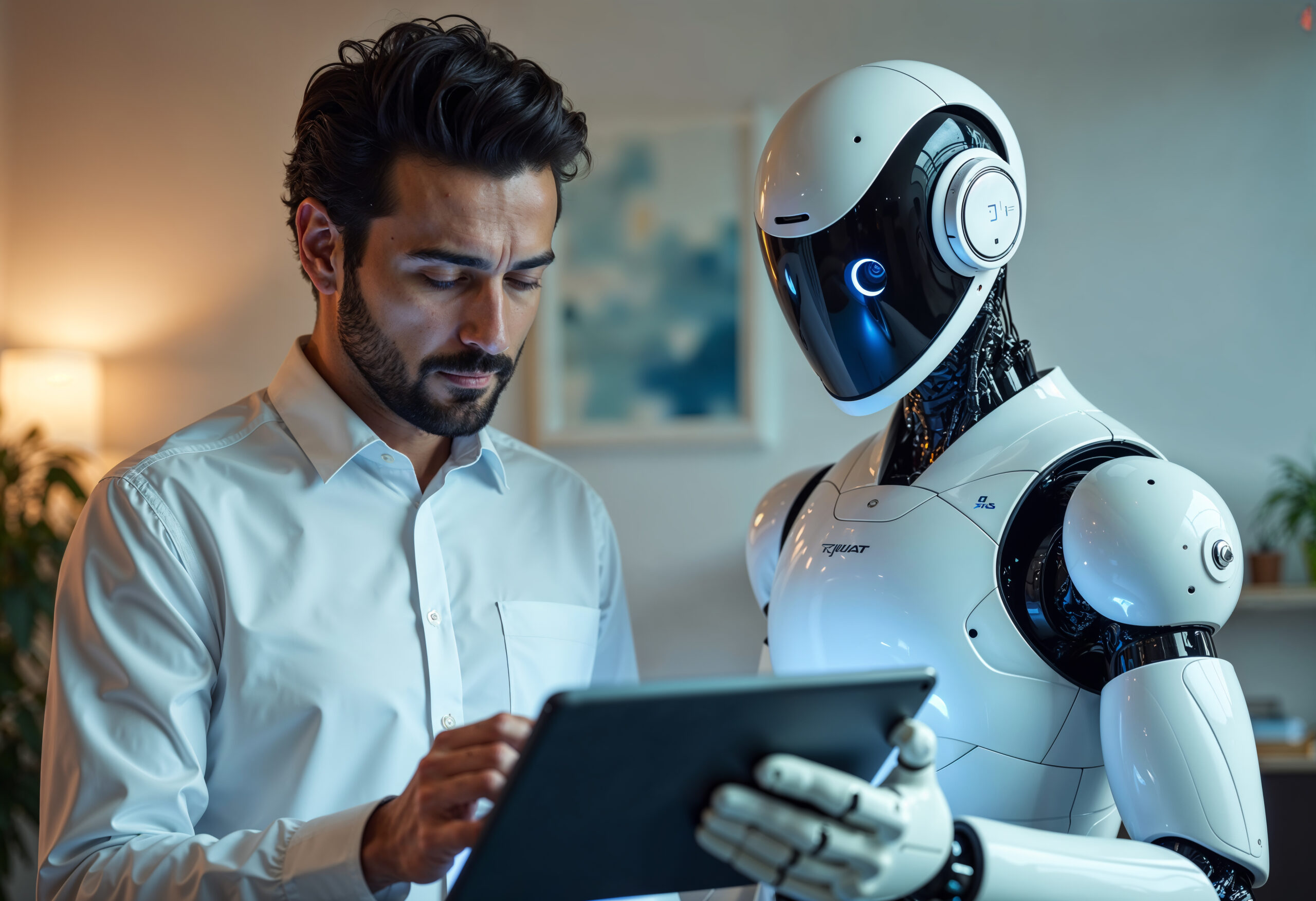
An AI mentor is not just a chatbot or automated tutor. It is an intelligent learning companion powered by machine learning, natural language processing, and reasoning models. These systems analyze how learners interact with content, identify patterns in mistakes, and adapt instruction accordingly. Unlike static tutorials, AI mentors evolve with the learner. They adjust difficulty levels, revisit weak concepts, and recommend next steps dynamically. Modern AI mentors also understand context, allowing them to explain why something works rather than just what works. This approach mirrors the benefits of one-on-one human mentorship but at scale. As AI continues to mature, mentors are becoming more conversational, more accurate, and more aligned with real-world problem-solving rather than theoretical instruction.
3. How AI Mentors Reduce Learning Curves by 40%
The dramatic reduction in learning time comes from eliminating inefficiencies. AI mentors remove guesswork by pinpointing exactly where a learner is struggling. Instead of revisiting entire modules, learners focus only on what they haven’t mastered. AI systems also reinforce learning through repetition at the right moments, improving retention. Another key factor is instant feedback. When learners receive corrections in real time, they adjust immediately rather than reinforcing incorrect patterns. AI mentors also personalize pacing, allowing fast learners to advance without waiting and slower learners to receive additional support without pressure. Together, these factors compress the time required to reach proficiency, explaining why learning curves shrink so dramatically when AI mentors are involved.
4. The Role of AI Reasoning in Smarter Learning
One of the most powerful capabilities behind AI mentors is reasoning. Advanced AI systems don’t just provide answers—they analyze problems step by step. This is especially valuable in technical learning, where understanding logic matters more than memorization. AI reasoning models can walk learners through debugging processes, decision paths, and alternative solutions. For example, modern code-focused AI mentors leverage techniques similar to those discussed inAI code reasoning models, which explain how AI evaluates errors and proposes fixes logically. By exposing learners to this reasoning process, AI mentors help them internalize problem-solving frameworks, making future challenges easier to tackle independently.
5. AI Mentors and the Future of Learning to Code
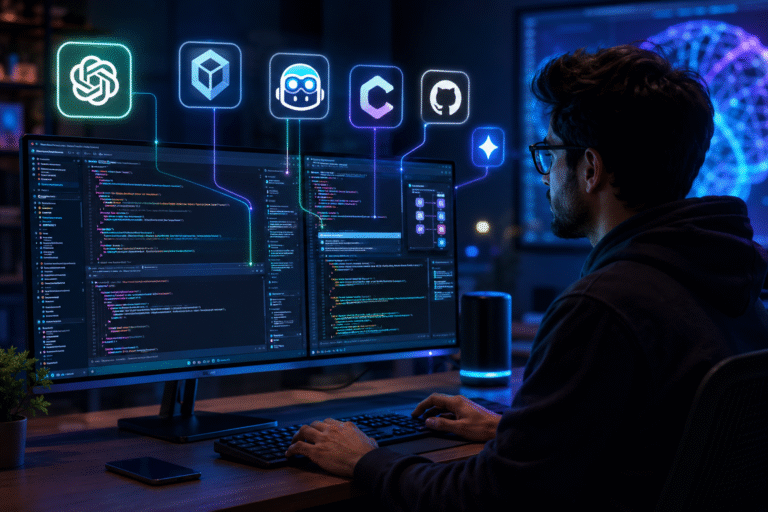
Coding is one of the clearest examples of AI-accelerated learning. Beginners often struggle with abstract concepts, syntax errors, and debugging frustration. AI mentors simplify this process by acting as always-available guides. They explain errors in plain language, suggest improvements, and even anticipate mistakes before they happen. This shift is transforming how people learn to code, as outlined in this analysis ofhow AI is changing the way people learn to code in 2026. Instead of passively watching tutorials, learners actively engage with AI mentors that adapt to their progress. This interactive approach dramatically improves confidence and reduces the time needed to become job-ready.
6. Personalized Learning Paths Powered by AI
One major limitation of traditional education is uniform progression. AI mentors break this model by creating personalized learning paths. They analyze strengths, weaknesses, and learning behavior to recommend what should be learned next. If a learner excels in theory but struggles with application, the AI adjusts accordingly. This personalization keeps learners challenged without overwhelming them. Over time, AI mentors build detailed learner profiles that continuously refine instruction. This dynamic personalization ensures that no time is wasted on content the learner already understands, further reducing the overall learning curve.
7. Continuous Feedback and Motivation
Motivation plays a critical role in learning speed. AI mentors maintain engagement by offering encouragement, progress tracking, and clear milestones. Learners can see tangible improvement, which reinforces effort. AI systems also detect disengagement and adapt content delivery to re-capture attention. Continuous feedback eliminates uncertainty, helping learners stay confident and focused. This emotional support element, though subtle, significantly contributes to faster learning outcomes and lower dropout rates.
8. From Learning Assistance to Skill Mastery
AI mentors don’t stop at instruction—they support mastery. By simulating real-world scenarios, providing practice challenges, and reviewing performance, AI mentors prepare learners for practical application. This is especially valuable for advanced learners seeking specialization. Structured programs such as theAI & Machine Learning Advanced Practitioners eDegree demonstrate how AI-driven guidance supports deeper skill development beyond fundamentals. When learners combine formal education with AI mentoring, they achieve proficiency faster and with greater confidence.
9. Organizational Impact of AI-Driven Learning
For businesses, faster learning translates directly into productivity gains. Employees onboard quicker, adapt to new tools faster, and upskill continuously. AI mentors reduce training costs by minimizing instructor dependency while maintaining quality. Organizations that adopt AI-driven learning systems gain a competitive edge by building agile, future-ready teams. The ability to reskill employees rapidly becomes a strategic advantage in industries facing constant technological change.
10. Challenges and Responsible Adoption
While AI mentors offer immense benefits, responsible implementation is essential. Data privacy, bias, and over-reliance on automation must be addressed thoughtfully. AI should augment human instruction, not replace it entirely. Transparency in how recommendations are generated builds trust and improves outcomes. When integrated ethically and strategically, AI mentors become powerful allies rather than black-box systems.
Conclusion
AI mentors are reshaping the learning landscape by making education faster, smarter, and more personalized. By delivering real-time feedback, contextual reasoning, and adaptive learning paths, these systems reduce learning curves by nearly 40%. As technology advances, AI mentoring will move from optional enhancement to essential infrastructure for modern learning. Individuals and organizations that embrace this shift will not only learn faster but also stay relevant in an increasingly skill-driven world.